Be yourself; Everyone else is already taken.
— Oscar Wilde.
This is the first post on my new blog. I’m just getting this new blog going, so stay tuned for more. Subscribe below to get notified when I post new updates.
Be yourself; Everyone else is already taken.
— Oscar Wilde.
This is the first post on my new blog. I’m just getting this new blog going, so stay tuned for more. Subscribe below to get notified when I post new updates.
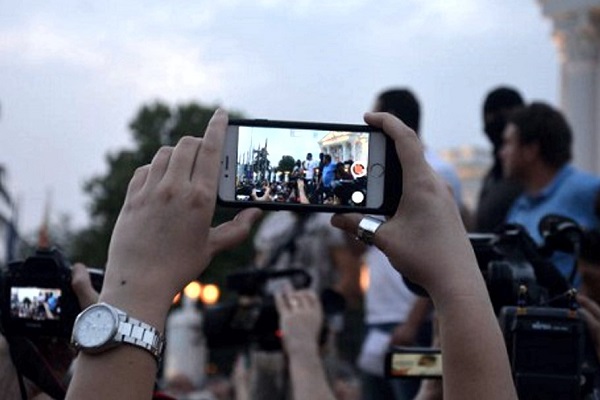
” Citizen Journalism has played a major role in 21st-century political events” – Britannica
Form of journalism has been developed and evolve into something interesting. Following by technologies development, journalism shaped more specific nowadays.
You don’t need to be a journalist to report an event. Ordinary public able to reporting and carried it out online. This is now known as citizen journalism
We can see that social media is the biggest factor that changing nature in journalism. For example, newspapers are now putting their stories online on social media before making a breaking news on television.
This social media power in citizen journalist give them first opportunity to take pictures and document it before reporters are there.

This is leads me to what I believe the future of journalism to look like. Social media will became a vital base platform for news worthy stories to come out on. This social media making news spread easily and rapidly. However because anyone could be a citizen journalist, Facebook for example making a feature live video so people able to share what happened in the world. It looks very good but also has a big weaknesses. For example recently in New Zealand there were shootings/deaths being live streamed onto the internet for anyone to see. Facebook allowing people to live stream ‘real life’ deaths. This type of citizen journalism scares me, and because this citizen journalist want to spread a fear or a news about terror.
Other weaknesses facing citizen journalism, there is no one out there monitoring, regulating and most importantly, fact checking. People are essentially free to publish what they want on social media even when what they publish isn’t true. This is commonly lead us to fake news.
In this digital era, fake news is able to spread across the world just in a minutes and can reached millions of people who perceive it as fact.
So yes, in this digital era anyone around the world can be a journalist and social media afforded us with many opportunities as citizen journalist, but just because anyone can be a journalist doesn’t necessarily mean that anyone should.
In one aspect citizen journalism is a great thing if it is done in a positive way and especially they make sure it is a fact or not. On the other hand, if they aren’t professional journalists and at times they might be do not know about journalist ethics and censorship.
This is an example post, originally published as part of Blogging University. Enroll in one of our ten programs, and start your blog right.
You’re going to publish a post today. Don’t worry about how your blog looks. Don’t worry if you haven’t given it a name yet, or you’re feeling overwhelmed. Just click the “New Post” button, and tell us why you’re here.
Why do this?
The post can be short or long, a personal intro to your life or a bloggy mission statement, a manifesto for the future or a simple outline of your the types of things you hope to publish.
To help you get started, here are a few questions:
You’re not locked into any of this; one of the wonderful things about blogs is how they constantly evolve as we learn, grow, and interact with one another — but it’s good to know where and why you started, and articulating your goals may just give you a few other post ideas.
Can’t think how to get started? Just write the first thing that pops into your head. Anne Lamott, author of a book on writing we love, says that you need to give yourself permission to write a “crappy first draft”. Anne makes a great point — just start writing, and worry about editing it later.
When you’re ready to publish, give your post three to five tags that describe your blog’s focus — writing, photography, fiction, parenting, food, cars, movies, sports, whatever. These tags will help others who care about your topics find you in the Reader. Make sure one of the tags is “zerotohero,” so other new bloggers can find you, too.
Have a WordPress.com account? Log in now.

